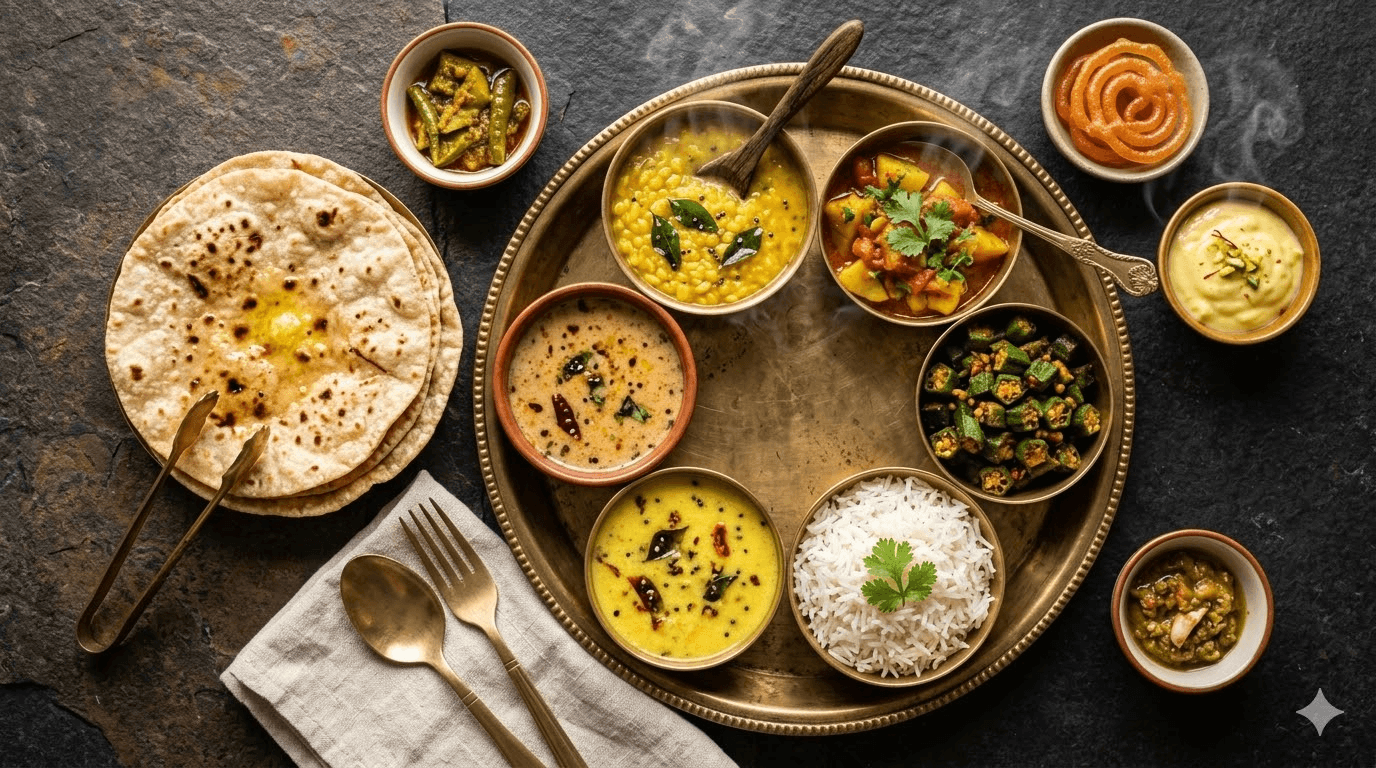
How a predominantly vegetarian cuisine became one of the most diverse, flavorful, and celebrated food traditions in the world — and the cultural values it encodes.
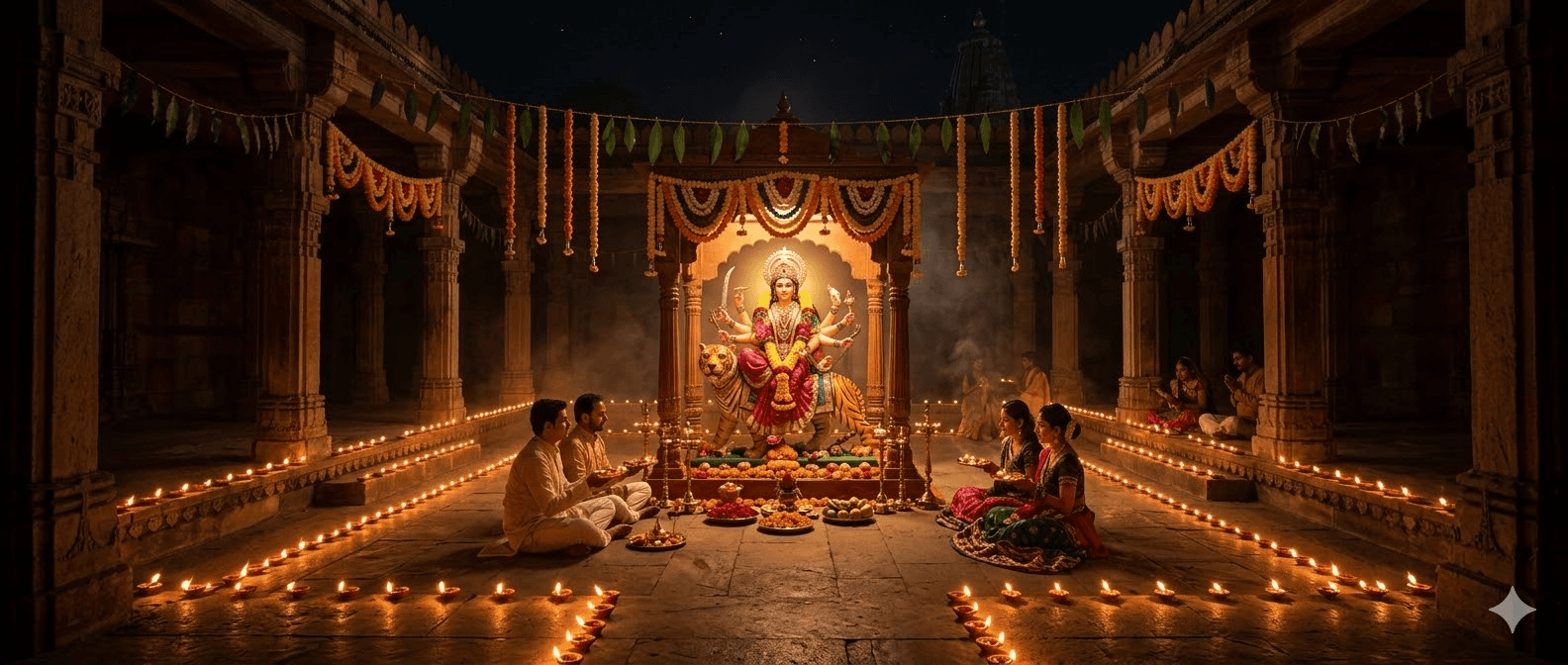
Gujarat's cultural heritage is woven through centuries of devotion, artistic expression, and community life. Every tradition carries within it the living memory of generations who came before — and a promise to those yet to come.
From the ancient courts of Solanki kings to the vibrant diaspora communities of Toronto, London, and New York, Gujarati culture has proven itself remarkably adaptive, carrying its core identity across oceans and generations without losing what makes it singular.
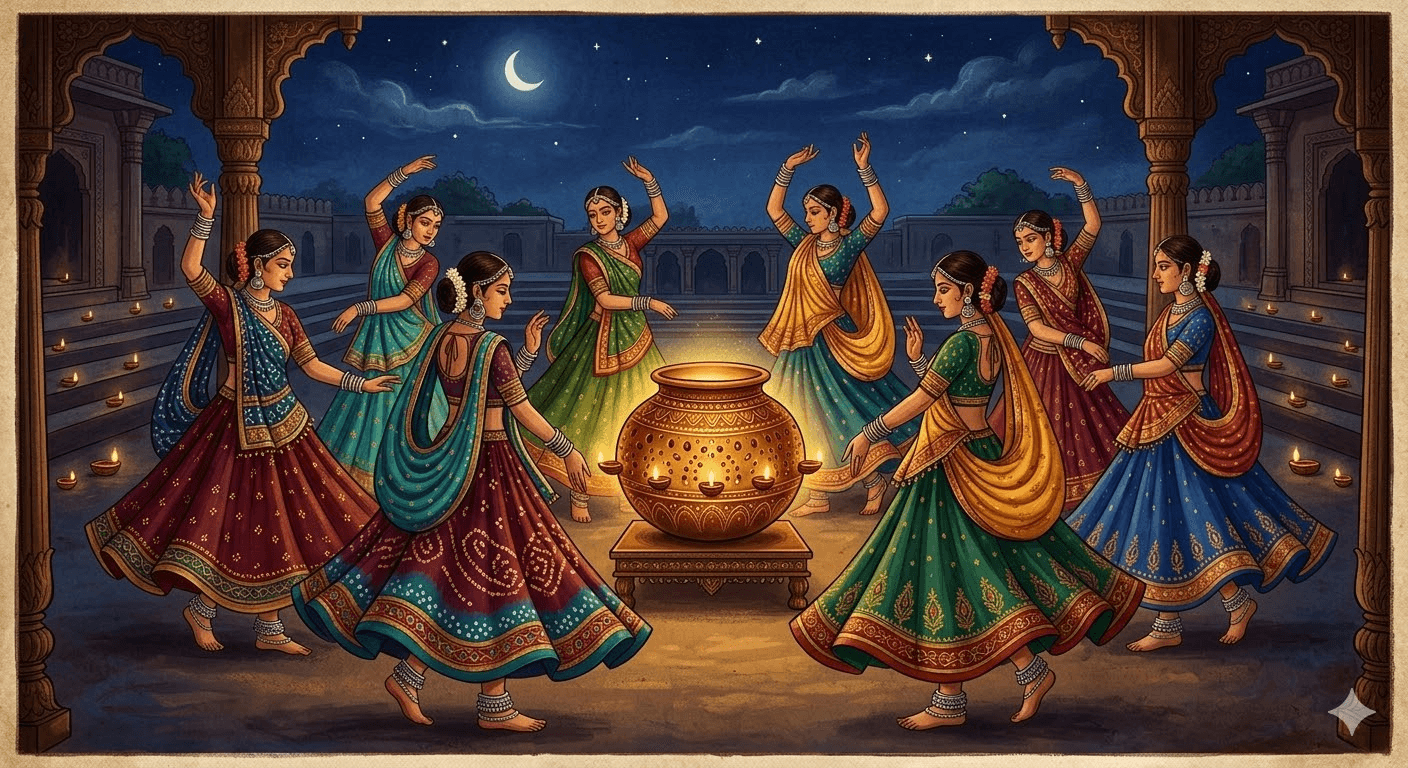
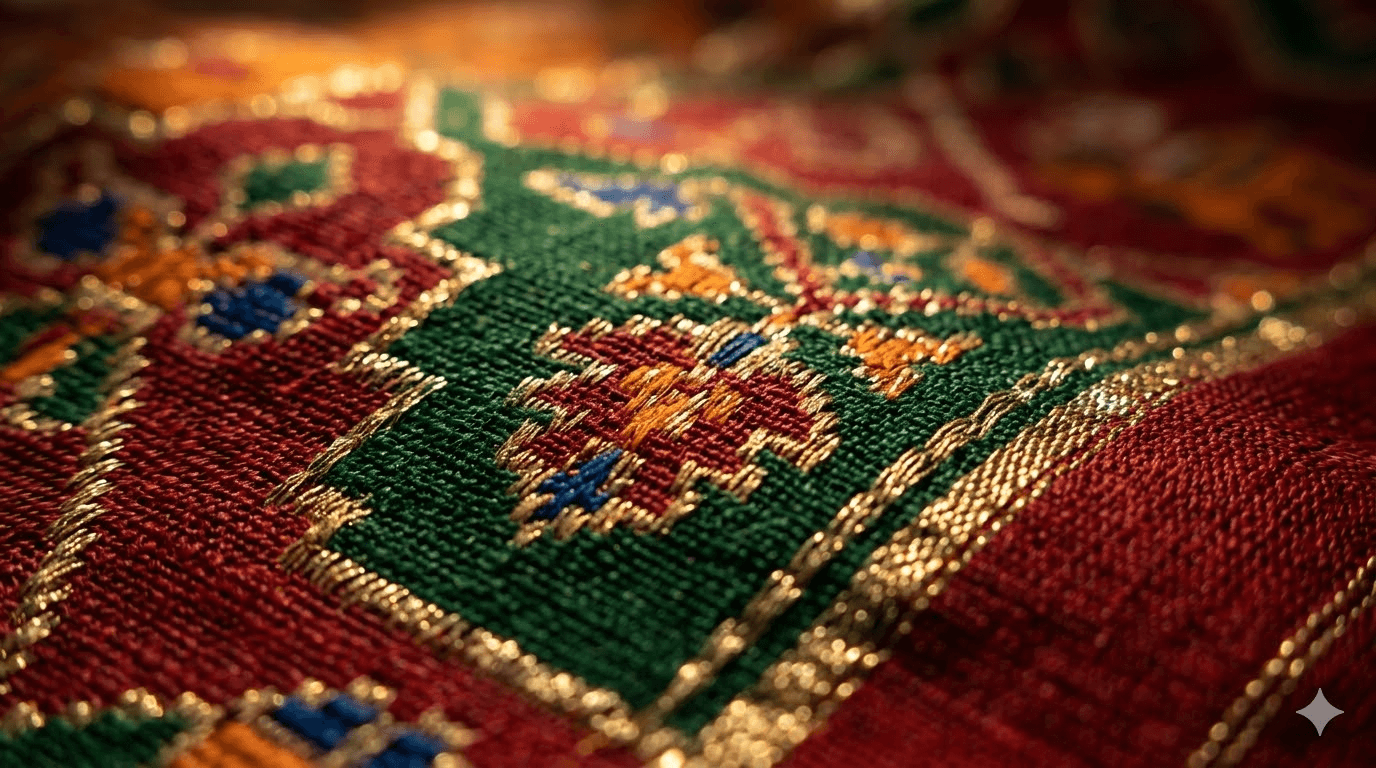
The arts of Gujarat — whether the rhythmic footwork of Garba, the intricate geometry of Bandhani textiles, or the soul-stirring melodies of Bhajan traditions — are not mere entertainment. They are forms of devotion, channels through which communities commune with the divine and with one another.
What is most remarkable about this cultural inheritance is how it continues to evolve. Each generation adds its own inflection while keeping the essential spirit intact. Young artists today are creating forms their grandparents could not have imagined, yet rooted in the same soil of tradition.
This is the living miracle of cultural continuity — not the preservation of dead artifacts, but the transmission of living practices that adapt without abandoning their essence. And it is a miracle worth celebrating, studying, and protecting.
Written by
Rakesh Patel
Cultural historian & researcher